
More followers aren’t necessarily better when seeking influencer partnerships, especially for outdoor brands targeting highly engaged, niche communities.
That is why many outdoor brands are exploring the benefits of micro-influencers.
In this series, focusing on marketing tactics for outdoor brands, we’ve already touched on engagement strategies and content creation tips. In part three, Watauga is shedding light on the value of micro-influencers for those operating in niche markets.
What Is a Micro-Influencer?
Influencers don’t need to have a million followers to provide value to your digital marketing strategy. In fact, sometimes, a smaller, niche following can be more engaged, leading to a higher ROI. For this reason, among others, outdoor brands are exploring micro-influencer partnerships.
Micro-influencers have 10,000 to 100,000 followers. However, their following is often built on genuine interest and connection, often focusing on a specific niche.
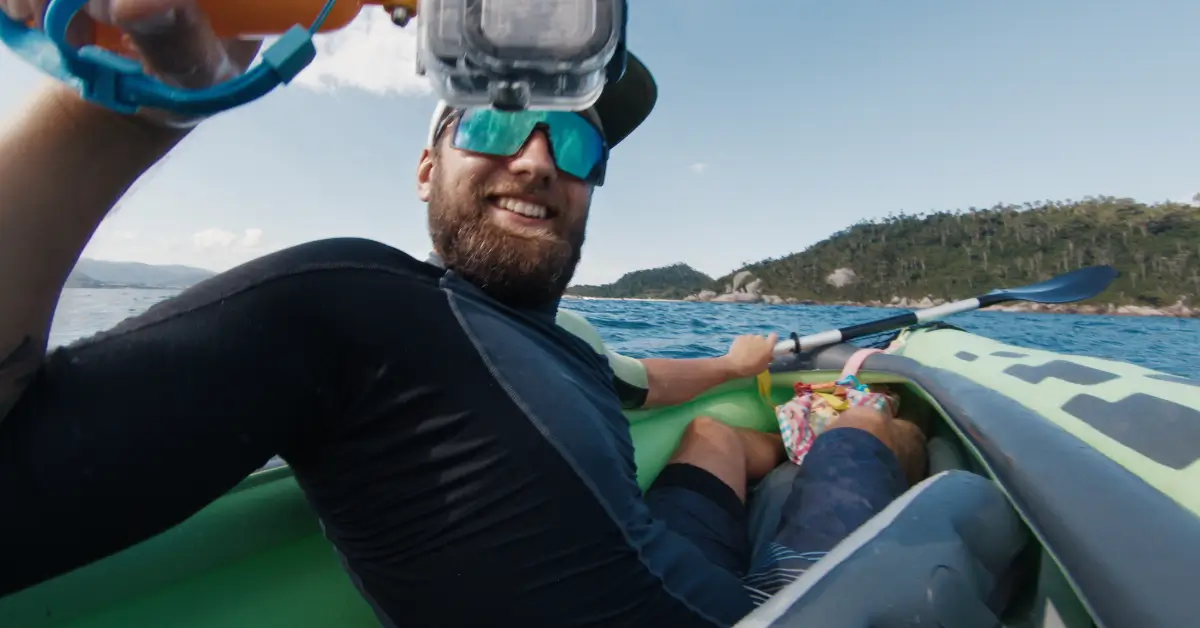
Why Consider a Micro-Influencer Partnership?
While working with a micro-influencer, your brand can:
- Access niche audiences
- Increase authenticity
- Achieve higher engagement rates
- Build long-term partnerships
These benefits lead to better conversion rates and a higher return on investment — especially since micro-influencers tend to be more affordable (even though their recommendations are often viewed as being more trustworthy than those of larger influencers).
Although you’re tapping into a smaller following, these influencers are proving that bigger isn’t always better. Many online users find these influencers a refreshing change from mass advertising. This is mainly because marketing messages combine advertising strategies with genuine content. These figures are relatable and transparent, so when micro-influencers recommend a product, their audience is more likely to be receptive.
Why Micro-Influencers Are a Good Fit for Niche Outdoor Markets
Whether your brand is built around eco-friendly hiking apparel or Alpine ski gear, you’ll want to reach the right audience. Micro-influencers provide targeted reach based on their niche expertise. Suppose you sell sustainable hiking apparel or gear. In that case, you may want to find a micro-influencer who has built a community around the nation’s top hiking trails and the conservation efforts that protect them.
These smaller communities may represent fewer followers. However, they often yield higher engagement rates compared to macro-influencers. Interactions tend to be more meaningful, resulting in more genuine, in-depth discussions about products and experiences — which is what many outdoor enthusiasts seek.
These partnerships are also more affordable, allowing smaller brands or startups with limited budgets to run multiple, diverse campaigns. They can partner with several passionate voices rather than invest in a single expensive endorsement.
There are several accounts of this concept — campaign success and influence are not measured by follower count. Instead, trust, community, and relevance drive engagement levels.
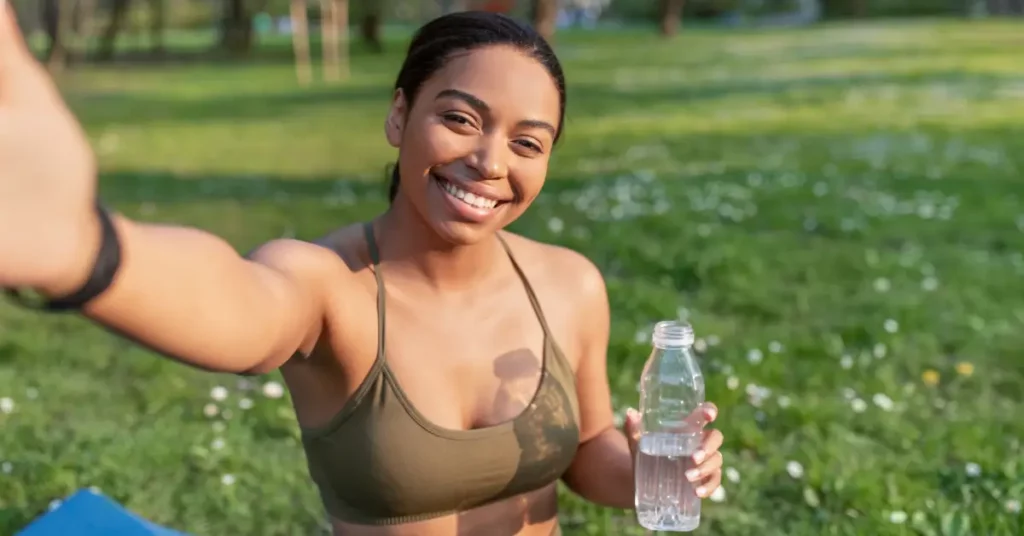
How (and When) to Connect With Micro-Influencers
For a niche outdoor brand, the best way to find micro-influencers is to start searching social media, looking at hashtags and location tags, as well as your own network of customers and followers.
For hashtags, make a list of potential options based on your brand and offerings. You can start with broader hashtags, like #outdoorgear, #camping, or #adventure. Based on your findings, you can then dive deeper into more specific activities or interests, like #vanlife, #womenwhohike, or #campfirecooking.
Before you reach out, make sure you have ironed out your strategy and defined your campaign goals. You want to achieve niche alignment and ensure their audience matches your demographics. Another important consideration, especially for long-term partnerships, is their tone and communication style — does it resonate with your brand?
Once you find the right fits, simply reach out.
Although you can work out the details amongst yourselves, most brands allow influencers to maintain creative freedom, as this helps maintain trust with their audience. During each campaign, focus on relationship building, offering access to exclusive offers or sneak peeks. Throughout the partnership, track and measure results to assess performance.
When Is It Best to Seek Micro-Influencer Partnerships?
There is no single perfect time to reach out to micro-influencers.
The best time for your brand will depend on what you aim to achieve. For example, if you want to create hype around a product launch or promotion, a micro-influencer can create buzz.
So, if you are seeking higher engagement levels, need to target a specific niche, and have a limited budget, micro-influencers can help you achieve your goals and drive conversions.
Want to learn more? Check out this series:
- Influencer Impact Part 1: A Strategic Marketing Play for Outdoor Brands
- Influencer Impact Part 2: Case Studies of Successful Influencer Partnerships
- Influencer Impact Part 3: Top Influencers in the Outdoor Space
- Influencer Impact Part 4: Metrics for Measuring Outdoor Influencer Success
To take action, contact us to discover ways Watauga Group can help with your marketing strategy.